Introduction
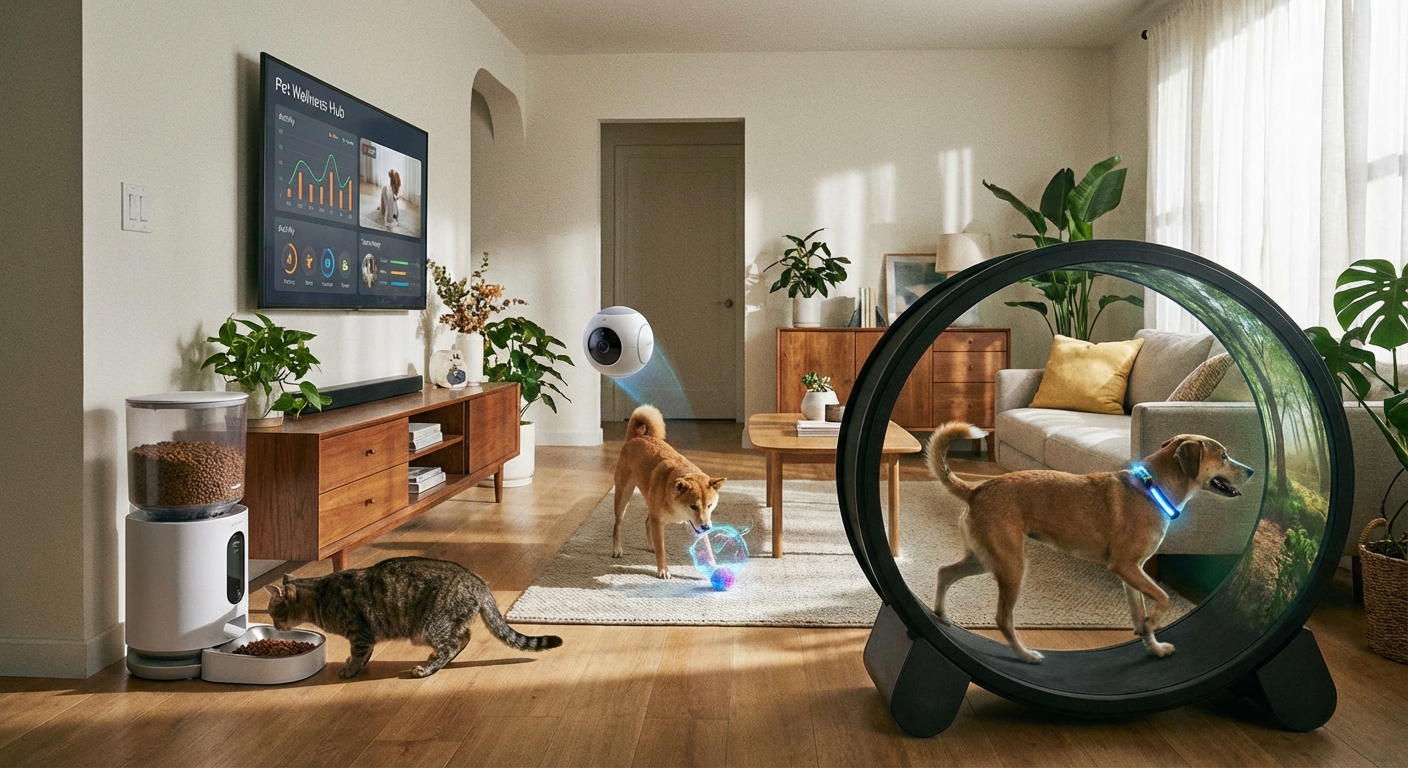
In the ever-evolving world of technology, smart homes are becoming an integral part of modern life. As pet ownership dynamics shift, particularly in multi-pet households, managing pet access and monitoring is a growing concern. Traditional collars and tags may not be sufficient or comfortable for all pets, leading to a need for non-invasive alternatives that align with these advanced living environments.
Enter pet facial recognition: a revolutionary approach using AI-powered visual sensors to identify individual pets without the need for physical tags or wearable devices. This innovation is reshaping how pet owners interact with their furry companions, offering a seamless and efficient solution to a common problem.
How Pet Facial Recognition Works
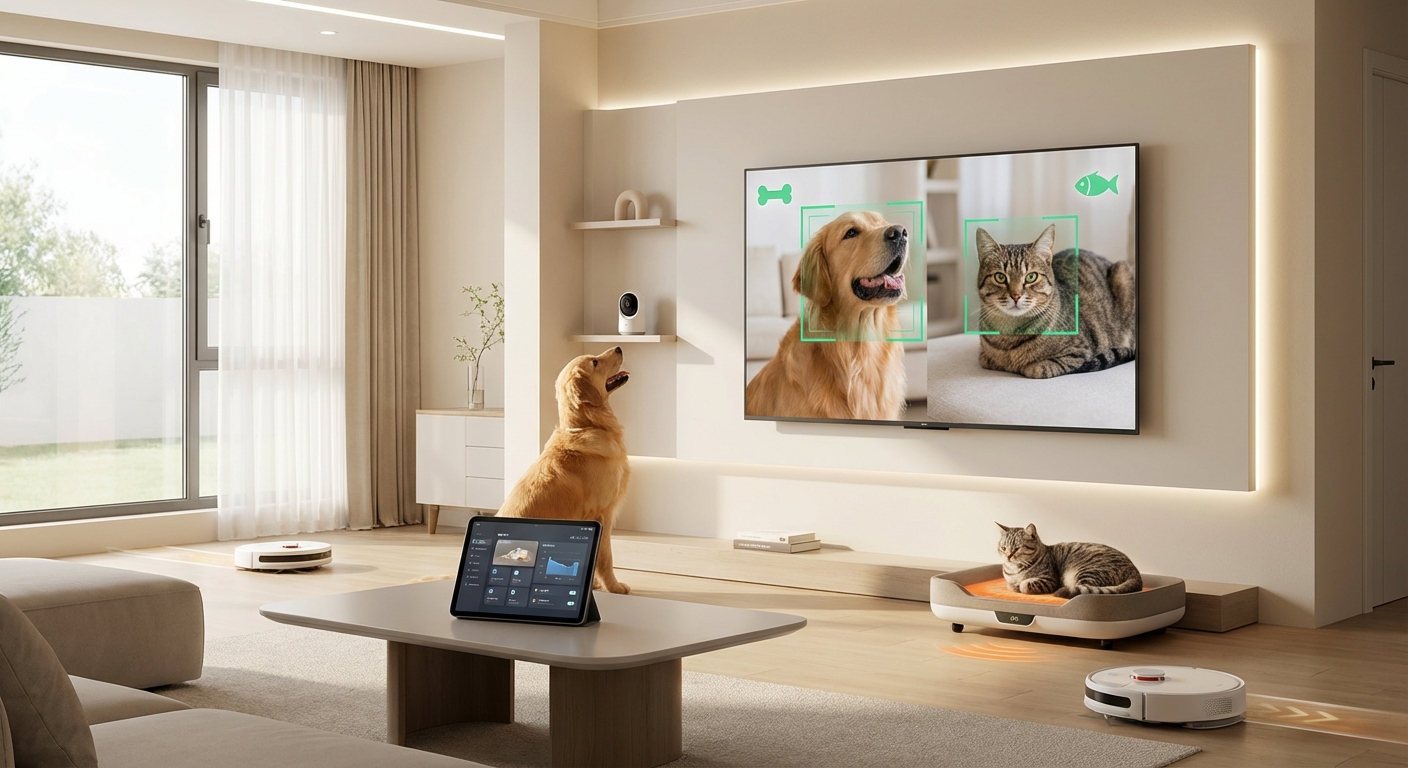
Pet facial recognition technology utilizes advanced AI algorithms and cameras to detect and distinguish between different animals. By analyzing facial features unique to each pet, these systems accurately identify pets as they move in and out of controlled areas within or around smart homes.
Advanced Algorithmic Precision
The beauty of this technology lies in its precision. Sophisticated algorithms map the nuances of a pet’s face—be it a dog or a cat—similar to how human facial recognition systems work. This level of detail ensures a high degree of accuracy in monitoring and access control, making old-fashioned collars seem outdated.
Integration with Smart Home Systems
Once integrated with smart home systems, pet facial recognition offers a multitude of functionalities. For instance, automated pet doors can open or lock based on the pet’s identity. It also keeps precise records of a pet’s movements, helping owners track behavioral patterns effortlessly.
Practical Applications and Benefits
This technology is more than a novelty; it presents real-world practical applications that benefit both pets and their owners.
- Non-Invasive Monitoring: Provides peace of mind without the need for collars or implants.
- Health and Safety: Enables round-the-clock monitoring to ensure pets are safe and secure.
- Behavioral Insights: Analyzes pet behavior, helping detect unusual patterns early.
- Convenience: Automated access facilitates hassle-free movement for pets.
Enhancing Pet Health and Safety
Preventive health is a significant consideration in pet care today. By continuously monitoring pets, issues such as excessive barking, prolonged inactivity, or aggression can be addressed promptly. This proactive approach promotes healthier lifestyles.
Real-World Use Cases
Already, numerous pet tech companies are implementing facial recognition technology, tailoring solutions for diverse pet management needs. Consider a household with several pets—different breeds, sizes, and temperaments. Traditional collars might not only be inconvenient but also insufficient in providing tailored care.
Personalized Pet Management
With facial recognition, pet owners can personalize routines for each pet, from feeding schedules to activity tracking, ensuring every animal’s needs are met.
Community and Multi-Pet Environments
In larger communal or multi-pet environments, such as pet boarding facilities or shelters, facial recognition simplifies identifying and managing numerous animals simultaneously, streamlining operations and enhancing care quality.
Conclusion
As we look to the future, pet facial recognition is set to become a cornerstone of smart pet care. It not only offers seamless monitoring and access control but also enriches the understanding of pet behavior and health.
By adopting such technologies, pet owners can embrace a more informed, proactive role in their pets’ well-being, ensuring that our furry friends remain safe, healthy, and happy. In a world where smart solutions abound, pet facial recognition stands out as a transformative force in the landscape of pet care.