Introduction
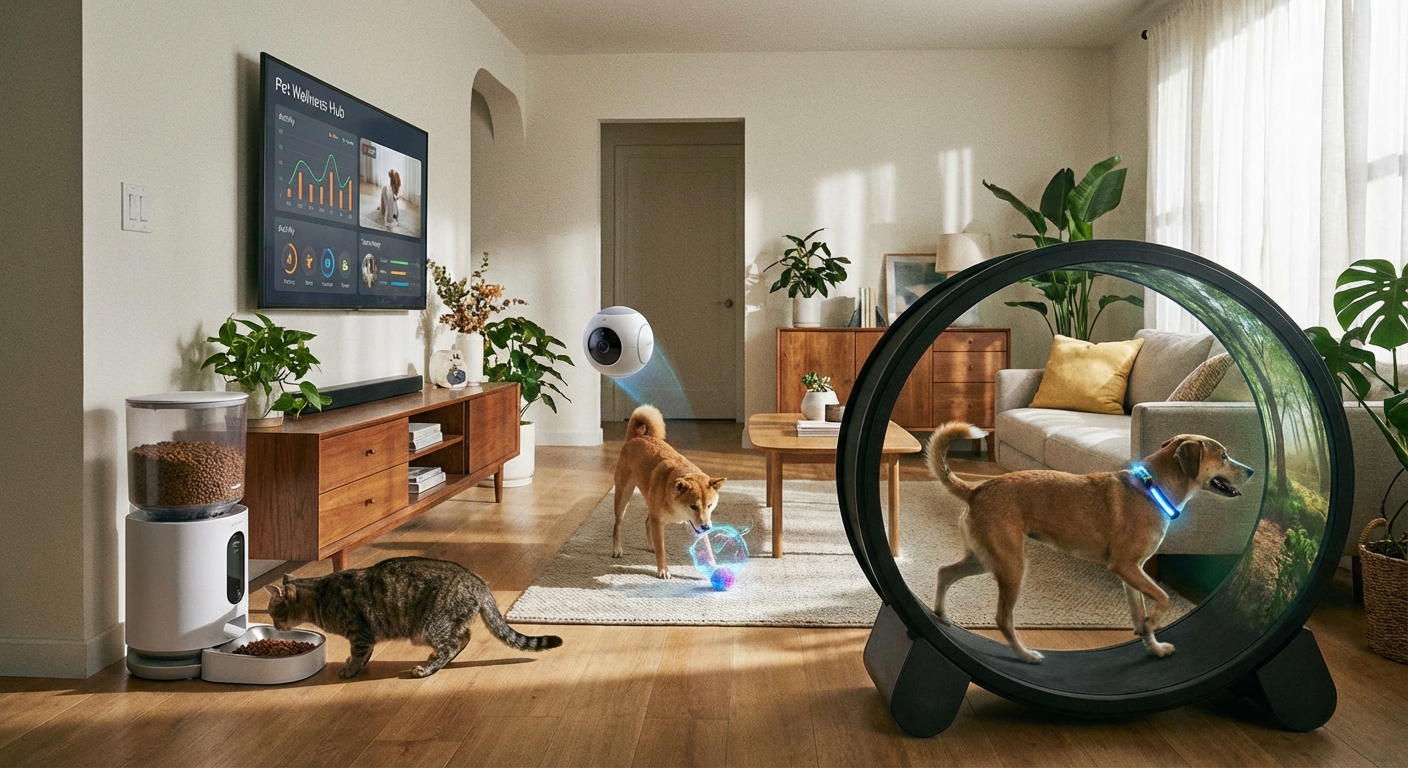
In recent years, the way we care for our pets has witnessed a significant transformation, spurred by technological advancements. For modern pet owners who embrace smart home technology, the need for effective, non-intrusive monitoring solutions is paramount. Gone are the days when collars and tags were the only choices for tracking pets. Today, ambient sensing technology offers a revolutionary approach to indoor pet safety, without the need for physical restraints.
As urban living spaces become busier and pet well-being becomes a priority, modern owners are turning towards smarter solutions. Ambient sensing technology not only keeps pets safe but also ensures their health by monitoring vital signs and movements. This technology represents a shift from traditional methods and addresses the growing demand for non-wearable monitoring solutions in a world increasingly defined by connectivity.
As we delve deeper into how ambient sensing technology is redefining indoor pet safety, we explore the evolution of radar and laser-based sensors, highlighting their impact on pet care practices.
The Evolution of Ambient Sensing Technology
From Collars to Invisible Fields
Traditional pet monitoring relies heavily on collars equipped with GPS or RFID tags. While these devices offer valuable tracking capabilities, they come with limitations, such as comfort and the risk of loss. Ambient sensing technology, on the other hand, uses radar and lasers to establish a non-intrusive monitoring field, eliminating the need for physical attachments.
Understanding Radar and Laser Sensors
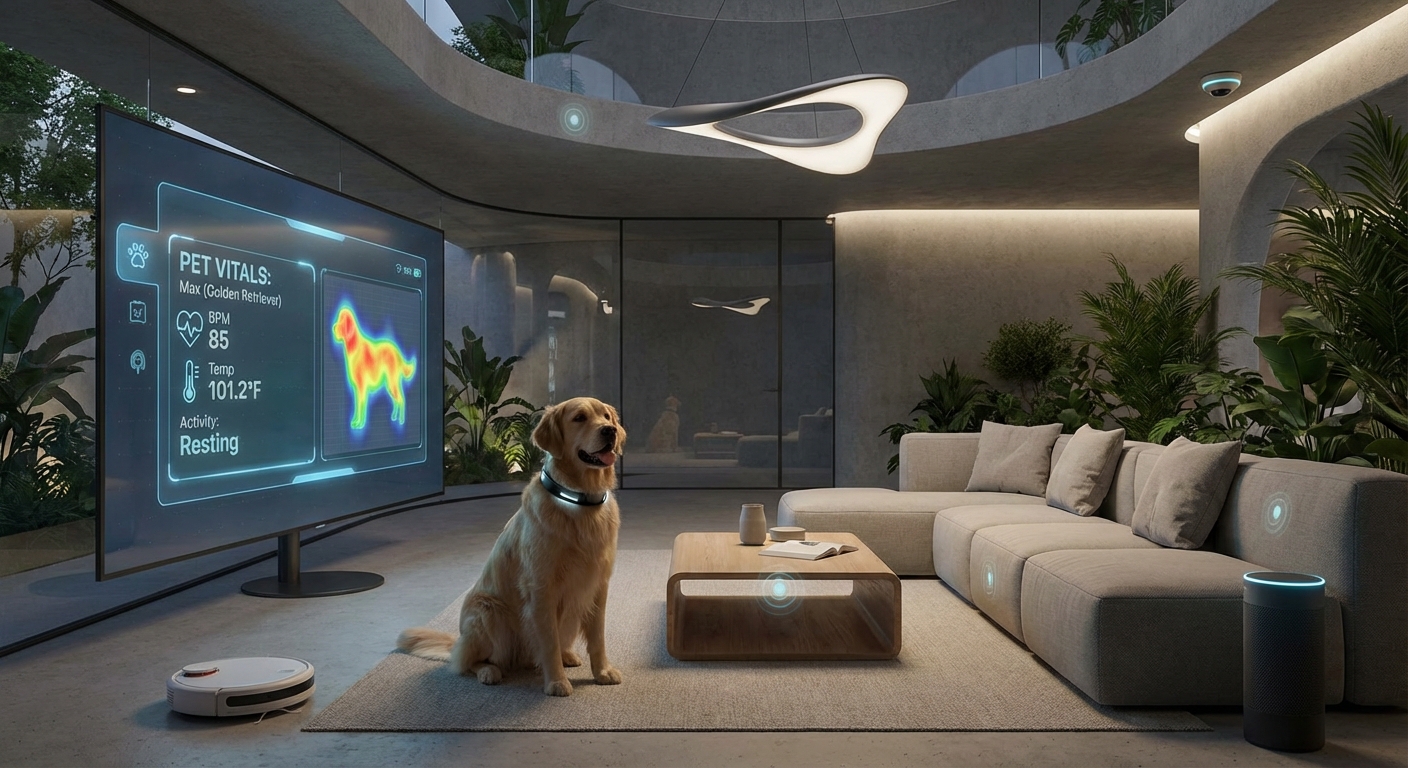
Radar sensors emit radio waves, capturing the reflections to determine the position and movement of a pet. Laser-based sensors, or LIDAR, function similarly but use light waves, providing higher accuracy. These technologies create a seamless interaction between pets and their environment, enhancing safety without discomfort.
Benefits Over Traditional Methods
- No physical contact required, reducing stress on animals.
- Enhanced accuracy and real-time monitoring.
- Integration with smart home systems for optimal efficiency.
Impact on Pet Health and Behavior
Monitoring Vitals Without Discomfort
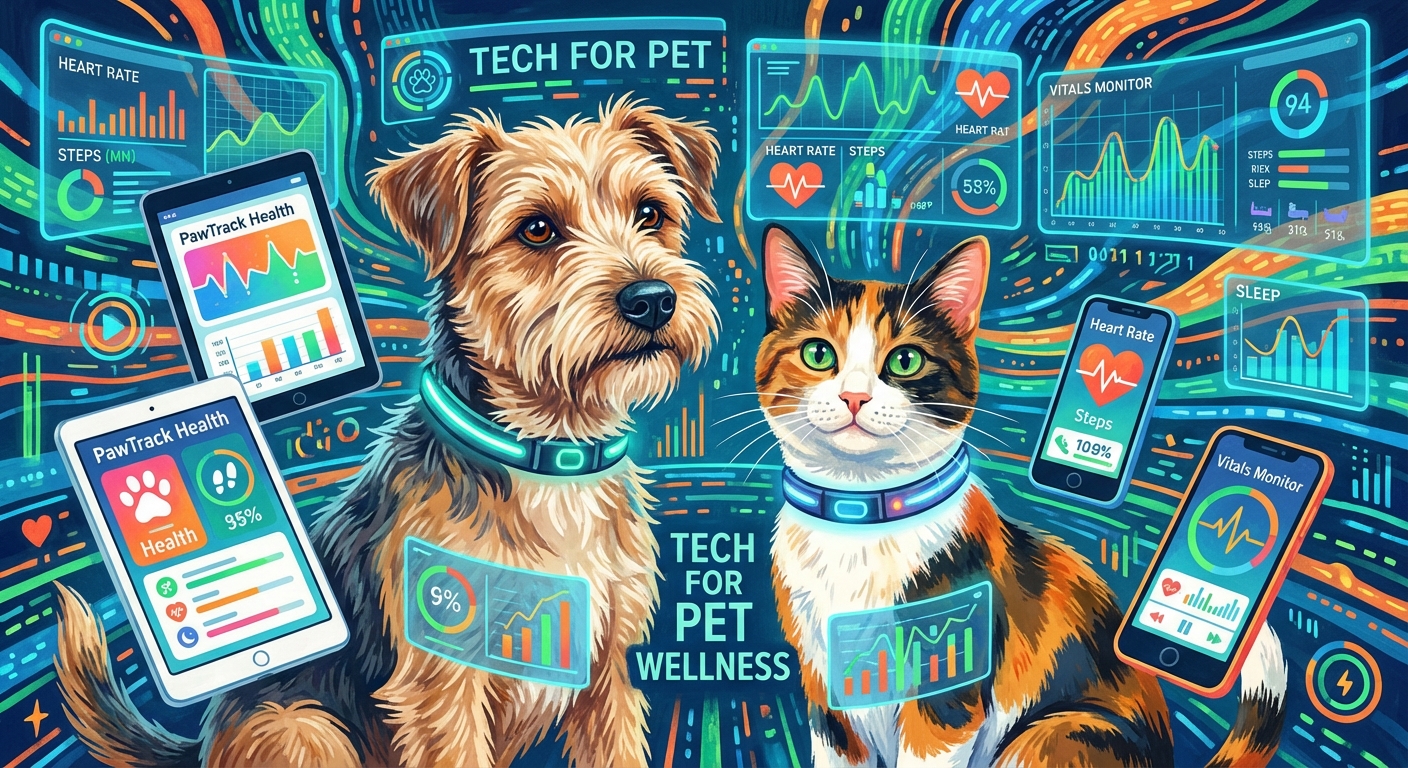
One of the significant advantages of ambient sensing technology is its ability to continuously monitor a pet’s vitals. By capturing breath and heart rates through changes in the surrounding environment, these sensors offer insights into the pet’s health without causing stress.
Behavioral Insights
Monitoring behavior patterns is essential for preventing health issues. Ambient sensors can track changes in activity levels, helping owners detect early signs of distress or illness. This information empowers pet owners to take preventive actions, ensuring their pets remain healthy and happy.
Real-world Applications
- Detecting respiratory issues or sleep apnea in pets prone to such conditions.
- Identifying shifts in behavior indicating anxiety or stress.
- Enabling proactive adjustments in home environments to suit pet needs.
Case Studies in Non-Wearable Monitoring
Success Stories in Pet Safety
Several households have successfully integrated radar and LIDAR technologies to monitor their pets. One notable case involved a family using these sensors to detect early warning signs of a dog’s heart condition, allowing for timely intervention.
Industry Perspectives
Experts in veterinary science emphasize the potential of ambient sensing technology. “These innovations promise a hands-free approach to pet care that aligns with the lifestyle of today’s pet owners,” says Dr. Emily Harper, a leading veterinary technologist.
Challenges and Considerations
While the technology offers numerous benefits, challenges such as ensuring privacy and managing data remain. Pet owners should consider these factors and work with trusted providers to mitigate potential risks.
Future Outlook
Innovation on the Horizon
The future of ambient sensing technology is promising, with ongoing advancements focused on improving accuracy and integrating AI capabilities. These future developments are expected to make pet monitoring even more effective and less intrusive.
Expanding Applications
Beyond homes, ambient sensing may find applications in veterinary clinics and pet care facilities, further elevating the standards of pet care and health monitoring worldwide.
Conclusion
Ambient sensing technology is reshaping the field of indoor pet care by providing innovative, non-intrusive solutions. By understanding their pets’ health and behavior without physical interventions, owners can take proactive steps towards preventive care. This evolution in pet monitoring fosters a harmonious and healthy living environment for both pets and their owners.
As this technology continues to evolve, embracing its potential can lead to more informed, empowered pet ownership, transforming the way we ensure our furry friends’ safety and well-being.