Introduction
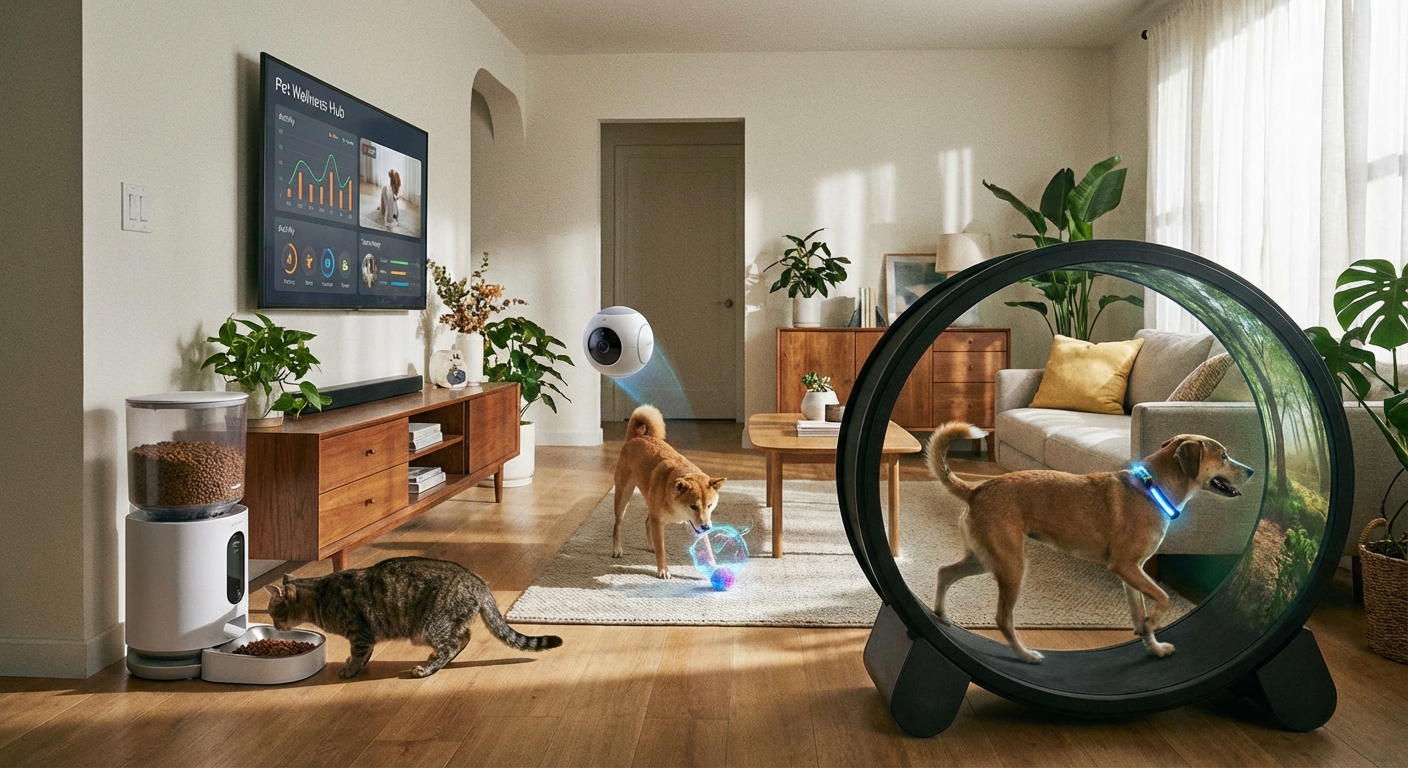
In recent years, the domain of pet care has experienced a remarkable transformation. Modern pet owners are no longer confined to traditional methods of detecting health issues in their pets. With technological advancements, particularly in artificial intelligence and wearables, a new era of predictive pet health monitoring has emerged. This shift reflects a broader trend in how technology reshapes our relationship with our pets, offering tools to foresee and prevent illnesses before they manifest.
As pet owners become increasingly proactive, there is a growing interest in utilizing biometric data to identify potential health issues ahead of clinical symptoms. This approach not only promises better health outcomes for pets but also reassures owners who are keen on providing the best care possible. The transition from basic activity tracking to sophisticated AI diagnostics marks a significant leap in pet technology.
The real-world implications are compelling. By incorporating AI-driven wearables, pet owners can easily access insights that were once the domain of veterinary experts. This article delves into how this technology works, the tangible benefits it offers, and what lies ahead in this rapidly evolving field.
From Activity Trackers to Predictive Analytics
The Evolution of Pet Wearables
Initially, pet wearables were basic, focusing solely on tracking activity levels and location. These devices provided simple metrics that helped owners ensure their pets were getting enough exercise or staying within a safe area. While useful, these functionalities were just the beginning of what’s possible with modern technology.
Integrating AI for Health Monitoring
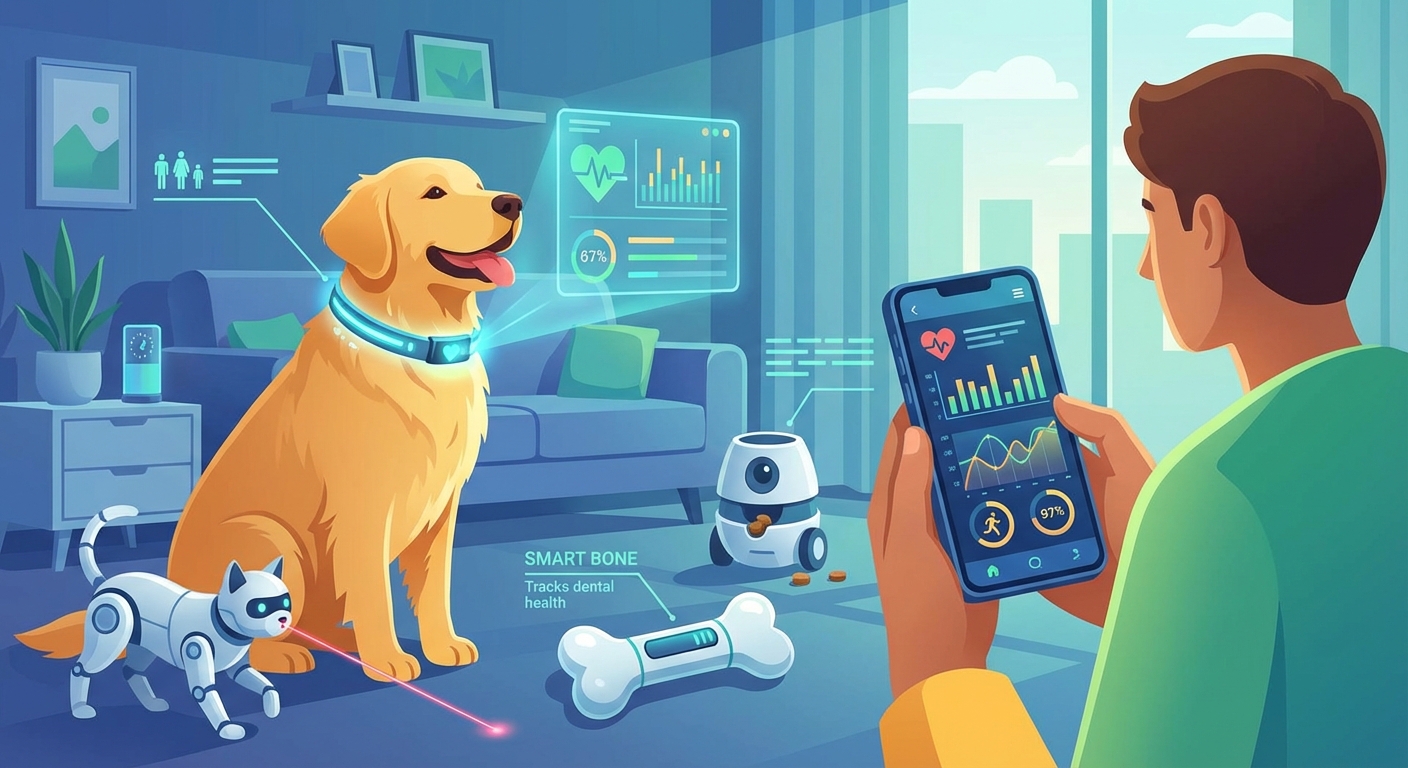
Today, the integration of AI offers a revolutionary perspective on pet health. Devices are equipped with sensors that continuously monitor vital signs such as heart rate, temperature, and respiratory rate. AI algorithms analyze this data to detect anomalies, potentially identifying conditions like heart disease or respiratory issues early on. This predictive capability transforms the way we approach pet health.
Real-World Benefits and Applications
Pet owners can now rely on detailed reports generated by AI wearables. These reports provide actionable health insights that enable preemptive veterinary consultations. Such foresight not only improves a pet’s health outcomes but can also reduce unnecessary stress and costs associated with reactive healthcare. This blend of convenience and precision is redefining pet wellness.
- Continuous monitoring of vital health parameters
- Early detection of potential health issues
- Reduced veterinary costs through preventive care
- Enhanced understanding of pet behavior and its implications on health
Impact on Pet Behavior and Wellness
Understanding Behavioral Changes
AI-powered wearables do not only monitor physical health but also provide insights into behavioral patterns. For instance, deviations in activity levels or sleep cycles could signal distress or underlying health issues. Understanding these patterns allows for tailored interventions, ensuring pets maintain both mental and physical wellness.
The Role of Preventive Health
Preventive health is a cornerstone of human medicine, and its principles are now being applied to pet care through technology. By understanding potential risks and acting early, pet owners can significantly enhance their pets’ quality of life.
Case Studies and Success Stories
Numerous success stories highlight the effectiveness of predictive analytics. Owners have reported catching early signs of illnesses, such as kidney disease or diabetes, thanks to AI-assisted monitoring. These timely interventions have been lifesaving, exemplifying the practical value of these technologies.
The Future of Predictive Pet Health Monitoring
Innovations on the Horizon
The field of predictive pet health monitoring is continually evolving. Future innovations may include even more precise sensors, advanced AI models, and broader integration with home-health ecosystems. As technology progresses, it anticipates a future where health issues can be predicted with greater accuracy.
Expert Opinions
Veterinary experts are optimistic about these advancements. Dr. Susan Randall, a pioneer in veterinary AI research, states, “The potential for AI in pet health monitoring to revolutionize our approach to preventive care is immense. It empowers owners with knowledge that was previously inaccessible.” Such endorsements from the veterinary community underscore the transformative potential of AI wearables.
Conclusion
The integration of AI in wearable technology is undoubtedly creating a seismic shift in pet healthcare. By moving from mere activity tracking to comprehensive health diagnostics, these devices offer proactive pet owners revolutionary tools for improving their pets’ lives. The ability to predict and prevent illnesses not only enhances pets’ well-being but also strengthens the bond between animals and their owners.
In a world where technology enhances various aspects of our lives, its application in pet care is proving invaluable. By adopting these advanced tools, informed and proactive pet owners can ensure their companions lead healthy, fulfilling lives. This shift symbolizes the ongoing commitment to evolve and adapt for the well-being of all pets.