Introduction
Modern pet ownership is undergoing a significant transformation as technology reshapes the way we care for our beloved animals. Living in an era where our pets are considered family members, proactive pet owners are constantly seeking innovative ways to ensure their furry companions are healthy and happy. Predictive pet health monitoring has emerged as a groundbreaking solution, marrying advanced AI with veterinary care to detect illnesses before symptoms become apparent.
As a pet owner, one of the most significant concerns is ensuring that any signs of illness in your cat or dog are caught early. Traditional methods often rely on physical symptoms or annual check-ups, but what if there was a way to know something was wrong without waiting for visible signs? With the rise of AI technology in pet care, this is no longer just a possibility but a reality changing the face of veterinary health.
The advent of predictive pet health monitoring addresses these concerns by using AI-powered tools to analyze subtle behavioral patterns, offering early warnings of potential health issues. This article delves into how these cutting-edge technologies are revolutionizing pet care, providing a preventive approach that aligns seamlessly with the needs of modern pet owners.
The Science Behind Predictive Monitoring
Understanding AI in Pet Health
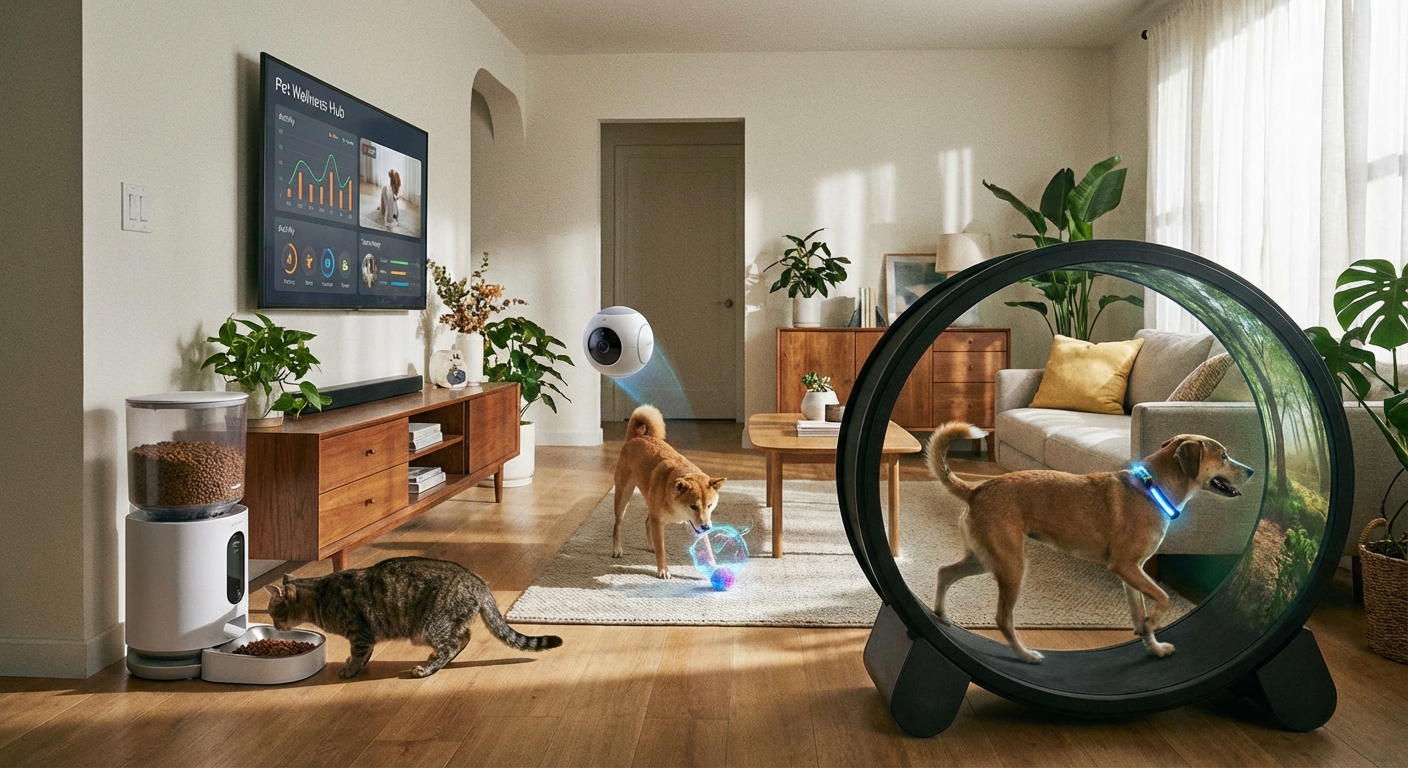
At the heart of predictive pet health monitoring is artificial intelligence, programmed to analyze vast amounts of data quickly and accurately. This involves the use of advanced sensors and devices that track a pet’s daily activities. These sensors gather data round the clock, assessing changes in behavior, activity levels, and even biometric patterns.
Behavioral Analysis
Dogs and cats often exhibit subtle changes in behavior that might go unnoticed by their owners. AI systems can detect these nuanced shifts, such as variations in sleeping patterns, appetite, or movement. By compiling this data, the system learns what is ‘normal’ for each pet and can alert owners to any deviations that may indicate health problems.
Benefits of Early Detection
The primary advantage of predictive health monitoring is its potential for early disease detection. By identifying issues before they manifest as visible symptoms, pet owners can seek veterinary intervention sooner, often resulting in more effective treatments and better outcomes.
- Improved treatment outcomes with timely intervention
- Reduced healthcare costs by preventing severe illnesses
- Enhanced quality of life for pets
Real-World Applications and Success Stories
Technology in Action
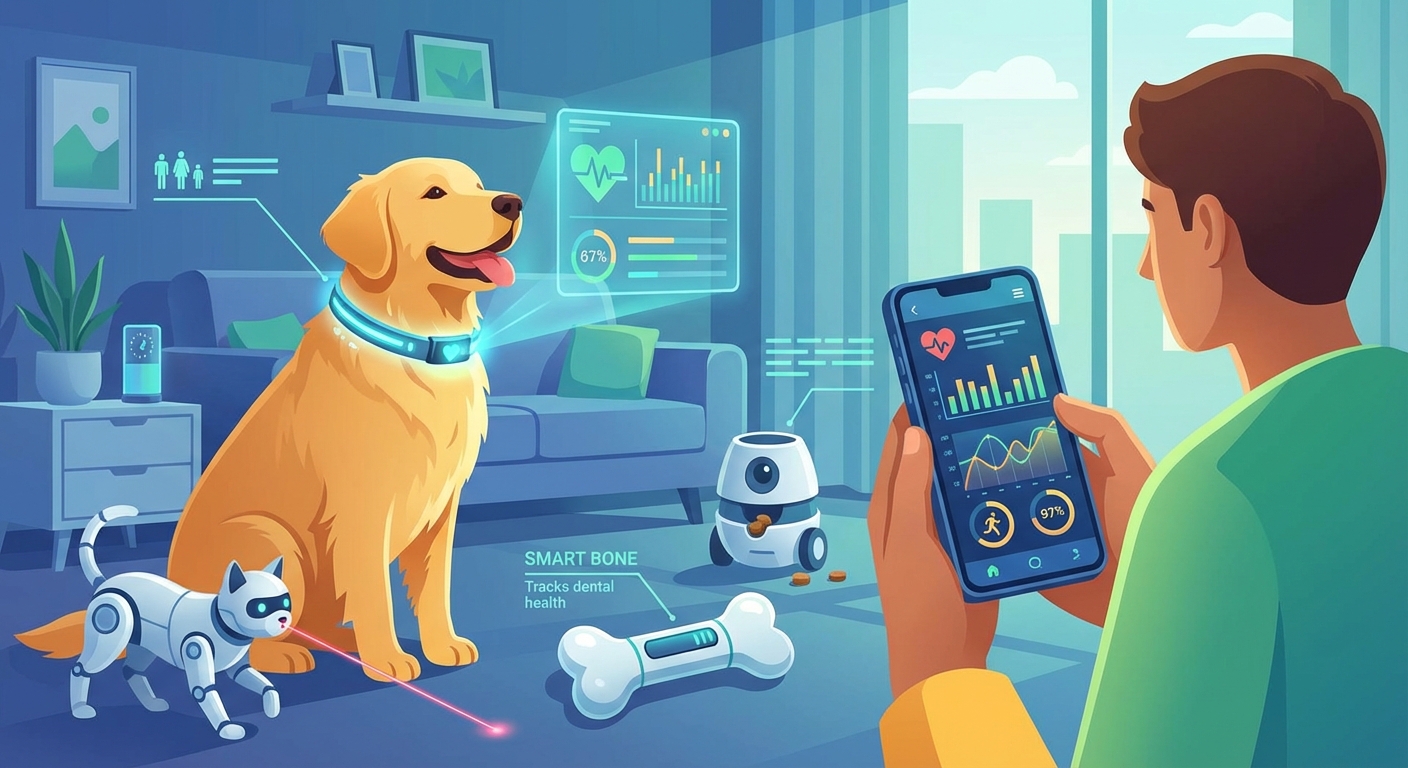
There are already numerous applications where predictive pet health monitoring is making a significant impact. Devices such as smart collars and health tracking apps integrate AI to monitor pets in real-time. These technologies have been pivotal in identifying conditions such as arthritis, diabetes, and even cancers at stages where they are most treatable.
Case Studies
Several veterinary clinics have implemented AI-driven solutions with remarkable success. One notable case involved a dog whose declining activity levels and changes in eating habits were flagged by an AI system. Early intervention led to the diagnosis of hypothyroidism, which was managed effectively with medication, greatly improving the pet’s health.
Pet Owner Experiences
Pet owners who utilize these technologies report a sense of peace and security. Having real-time data on their pet’s health status empowers them to make informed decisions and engage in discussions with their veterinarians with confidence.

The Role of Wearables and Smart Devices
A New Era of Pet Gadgets
Wearable technology in the pet industry is rapidly evolving. Devices now go beyond simple GPS trackers to include health monitors that assess vital signs, activity, and even emotional states. Products like smart collars provide insights and alerts directly to owners’ smartphones, ensuring they remain at the forefront of their pets’ well-being.
Integration with Veterinary Care
Integration of these devices with veterinary practice tools enables veterinarians to have detailed reports on a pet’s long-term health trends. This collaborative approach creates a comprehensive health management system, bridging the gap between home care and professional veterinary advice.
The Future of Pet Monitoring Devices
As wearable technology becomes more sophisticated, the accuracy and scope of health monitoring will only improve. The future holds promises for non-invasive, highly accurate sensors that can detect even the most minute changes in a pet’s health status.
Expert Opinions and Future Outlook
Voices from the Veterinary Community
Veterinarians are increasingly advocating for the use of AI in preventive pet healthcare. Dr. Lisa Freeman of the American Veterinary Medical Association emphasizes, “The integration of AI in pet health monitoring represents a paradigm shift towards a more proactive, rather than reactive, approach to veterinary care.”
Growth and Investment in Pet Tech
The market for pet technology is booming, with investments pouring into research and development of new AI-based health monitoring tools. According to industry reports, the sector’s annual growth rate is expected to exceed 20% over the next five years, highlighting the immense potential for innovation in this field.
Long-Term Benefits for Pet Owners
For pet owners, the long-term benefits of adopting predictive health monitoring are manifold. Beyond immediate health insights, these technologies foster a closer bond with pets by facilitating better understanding and care.
Conclusion
The rise of predictive pet health monitoring is not just a technological advancement but a significant step towards redefining pet healthcare. By leveraging the power of AI to provide early health warnings, pet owners can take preventive measures that enhance both the lifespan and the quality of life of their animals.
As technology continues to evolve, so will the tools available to pet owners for maintaining their pets’ health. Embracing these innovations ensures that we are better equipped to understand and respond to the needs of our furry companions, paving the way for a future where pets not only live longer but live better.
American Veterinary Medical Association American Kennel Club