Introduction
In the bustling urban landscape of 2026, pet ownership has taken a futuristic turn. With city living often limiting outdoor space, urban pet owners face the challenge of ensuring their furry companions stay active and healthy indoors. Enter the realm of smart dog treadmill technology, an innovation designed to cater to the modern pet owner’s needs. This technology doesn’t just focus on exercise; it represents a paradigm shift in pet care by integrating artificial intelligence (AI) and biometric tracking.
As household dynamics evolve, so do pet care habits. Many pet owners find themselves navigating the demands of fast-paced urban life, where time is a precious commodity. The reliance on technology to augment this lifestyle is prevalent. The integration of AI and biometric tracking within dog treadmill systems offers a solution that aligns with these evolving needs, promising personalized fitness regimes for our four-legged friends.
Modern technology now plays a critical role in proactively managing pet health. Today’s smart dog treadmills utilize advanced AI capabilities and biometric tracking to provide data-driven insights into canine health. They offer a level of personalization previously unimaginable, making it easier for owners to optimize their pet’s health and wellbeing.
AI Integration in Dog Treadmill Technology
How AI Enhances Fitness
Artificial Intelligence has revolutionized the way we approach fitness for our pets. By leveraging machine learning algorithms, smart dog treadmills can create customized exercise routines based on a dog’s specific needs. These intelligent systems analyze data to adapt treadmill speed, incline, and duration, ensuring a safe yet challenging workout for each pet.
Adaptive Learning Algorithms
Treadmills equipped with AI continuously learn from each session. They track trends in a dog’s performance and health metrics, which allows for adjustments to routines as necessary. This adaptive approach ensures that pets remain engaged and motivated, avoiding the pitfalls of repetitive exercise.
Real-World Applications
- Automatically adjusting workouts for aging pets to reduce stress on joints.
- Creating varied exercise plans that simulate outdoor terrains, benefiting dogs with limited outdoor access.
- Offering feedback loops to owners through connected apps for real-time monitoring.
Biometric Tracking for Personalized Health
Monitoring Vital Signs
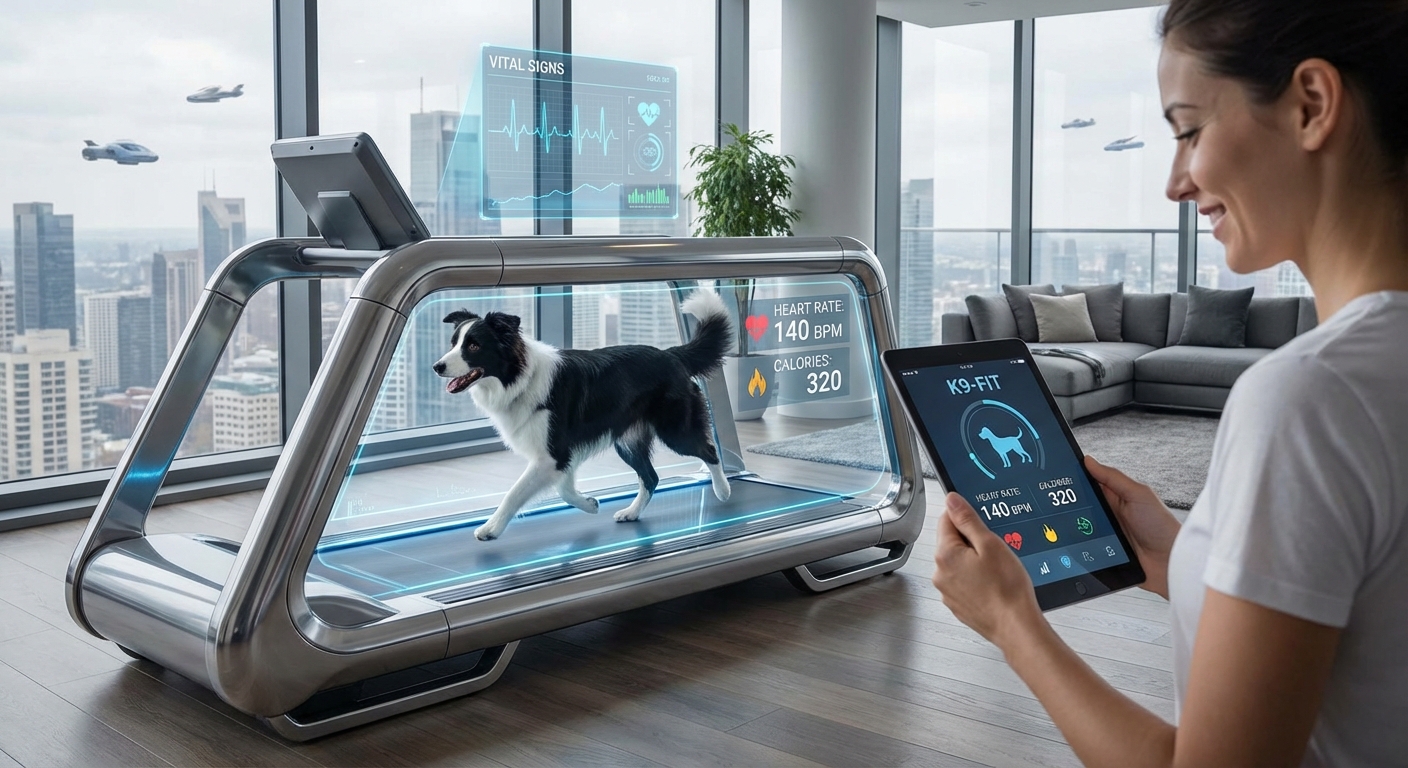
Biometric sensors embedded within treadmills capture critical health data, such as heart rate and caloric burn. These insights help owners understand their pet’s physical condition and adjust their exercise regime as needed. This continuous tracking promotes early detection of potential health issues.
Data-Driven Insights
By analyzing biometric data, these systems provide pet owners with in-depth insights into their dog’s health. Information about caloric expenditure and fitness levels can help tailor nutritional plans to optimize a pet’s energy balance.
Connection to Veterinary Practices
Smart treadmills offer seamless integration with veterinary health technologies, allowing veterinarians to access exercise and health data to improve preventive care strategies. The linkage of exercise data with professional veterinary advice can lead to better-informed health decisions.
Connected Apps and User Engagement
Enhancing Pet Owner Experience
Connected applications are pivotal to the functionality of smart dog treadmills. These apps, accessible via smartphones, provide a user-friendly platform for tracking and managing a pet’s fitness routine. Owners can view progress, set goals, and receive notifications about their dog’s activity and health status.
Community and Support
Furthermore, these apps connect pet owners through community features, offering forums for advice, sharing successes, and providing support. This network fosters an inclusive environment aimed at proactive pet health management.

User-Centric Design
The design of these applications prioritizes ease of use, ensuring that all pet owners, regardless of tech-savviness, can engage effectively with their dog’s fitness data. Features like templates for specific breeds enhance the accessibility of tailored fitness plans.
Impact on Preventive Pet Health
Long-Term Health Benefits
Integrating AI and biometric tracking into pet exercise equipment extends beyond immediate fitness. These technologies play a significant role in preventive health care. By maintaining a record of continuous health data, pet owners are better equipped to prevent chronic conditions.
Expert Opinion
Dr. Jane Doe, a leading veterinarian, states, “Proactive health monitoring through smart technology not only improves the quality of life for pets but also significantly extends their lifespan.”
Preventive Measures
Regular monitoring and personalized exercise routines help mitigate risks associated with obesity, heart disease, and joint problems. Early detection of health fluctuations paves the way for timely interventions.
Future Outlook for Pet Technology
The Evolving Landscape
As technology evolves, so too will the capabilities of smart dog treadmills. Future iterations will likely incorporate advanced features like predictive analytics to anticipate health needs before they arise, based on historical data trends. This foresight will redefine preventive care in the pet industry.
Regulatory Considerations
The expansion of AI and biometric tech in pet care also calls for careful consideration of data privacy and ethical guidelines. Ensuring robust protocols is integral to gaining consumer trust and industry acceptance.
Innovation at the Forefront
The continuous innovation within this sector suggests a promising trajectory for AI-enabled pet care solutions. The integration of new technologies will continue to enhance the way we approach pet health, making advanced care more accessible to pet owners worldwide.
Conclusion
The integration of AI and biometrics in smart dog treadmills represents a significant advancement in how we care for our canine companions. By offering personalized, data-driven fitness routines, this technology improves not only physical health but also fosters an emotional bond between pets and owners.
As we embrace these advancements, dog owners are better positioned to make informed decisions about their pets’ health. With continuous innovation, the future of pet care promises an exciting era of tailored and preventive health solutions.