Introduction
In recent years, the pet care industry has seen a radical transformation. Once limited to basic tracking devices, pet collars now offer more than mere geolocation tools. For tech-savvy pet parents, the demand for integrated safety and medical-grade health insights has never been higher. This paradigm shift is largely attributed to advancements in artificial intelligence (AI) and sensor technology, leading to innovations like the AI smart dog collar.
As our furry friends become integral parts of our families, there’s a growing emphasis on their health and well-being. Pet owners are increasingly looking for solutions that enable them to preemptively detect health issues. This is where AI-driven smart collars come into play, merging technology with preventive veterinary care.
In this article, we’ll explore how these devices have evolved from simple GPS trackers into sophisticated health analytics tools, highlighting their real-world applications and future potential.
The Evolution from GPS to AI
The Limitations of Traditional GPS Collars
Traditional GPS collars focused predominantly on tracking a pet’s location. While effective in ensuring safety, especially for wanderlust-prone pets, they offered little in terms of health insights. The transition to AI-driven solutions has addressed this gap significantly.
AI and Sensor Integration
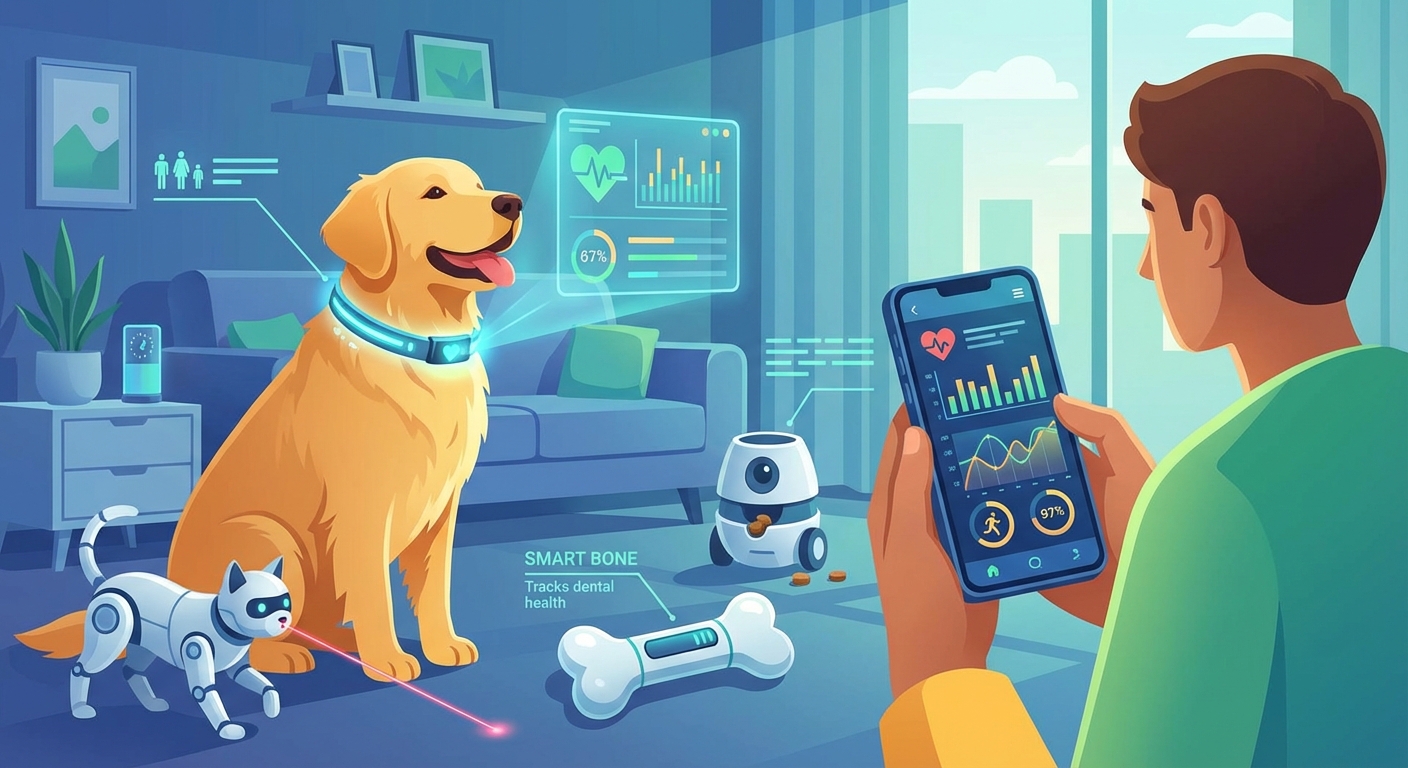
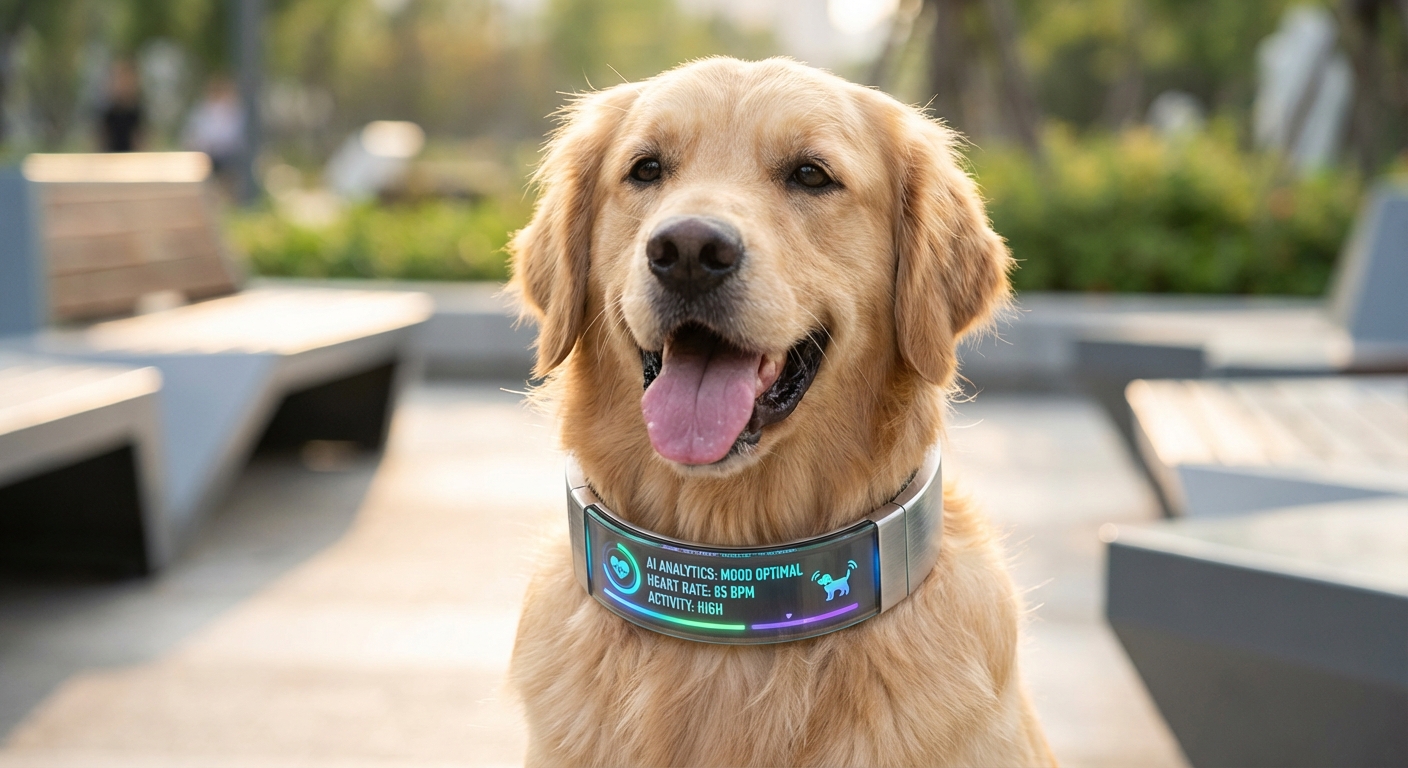
The integration of AI and advanced sensors has revolutionized the capabilities of smart collars. These devices are now able to monitor vital signs such as heart rate, temperature, and activity levels, providing holistic health data. For example, an AI smart dog collar can alert a pet owner if their dog’s heart rate is irregular, indicating stress or potential illness.
Real-World Application
A family notices their dog’s unusual lethargy. Thanks to their AI smart collar, they receive a notification of abnormal temperature and heart rate, prompting an immediate veterinary visit. This proactive approach can significantly improve health outcomes.
Health Monitoring Capabilities
Continuous Monitoring for Early Detection
AI collars provide continuous monitoring, which is crucial for early detection of potential health issues. This technology utilizes machine learning algorithms to analyze patterns and detect anomalies in behavior or physiological data.
Benefits of AI Analysis
By analyzing data over time, AI can pinpoint trends that would go unnoticed by the naked eye. This can include subtle behavior changes, like decreased activity, that may indicate pain or discomfort.
- Identifies early signs of illness
- Monitors behavioral changes
- Tracks long-term health trends
- Provides data for informed veterinary consultations
Integration with Veterinary Care
AI smart collars act as intermediaries between pet owners and veterinarians. The data collected can be shared with veterinary professionals for better diagnostics and treatment planning. For more insights into veterinary innovations, the American Veterinary Medical Association provides further information.

Advancements in Behavioral Analytics
Understanding Canine Behavior Through AI
The ability to interpret behavioral cues through AI has added an extra dimension to pet care. Smart collars can now analyze barking frequencies, sleep patterns, and even eating habits, offering a detailed account of a dog’s daily life.
Using Data to Address Behavioral Issues
By understanding the nuances of their dog’s behavior, pet owners can address issues such as anxiety or aggression. This data-driven approach enables targeted interventions, creating more harmonious household environments.
Practical Applications
This technology has practical applications in various real-world scenarios. For instance, a dog showing signs of anxiety through excessive barking can be monitored and soothed with desensitization strategies, tracked and adjusted using insights from the AI collar.
Future Outlook in Smart Pet Technology
Innovative Trends on the Horizon
The future of AI in pet technology promises even more sophisticated developments. Upcoming advancements may include enhanced biometric sensors capable of detecting specific diseases or conditions.
Long-Term Health Predictions
As machine learning models evolve, they might predict long-term health outcomes, allowing pet owners to manage chronic conditions proactively and effectively.
Expert Opinions on AI Trends
Experts in pet technology suggest that AI will continue to bridge the gap between pet owners and veterinarians. According to the American Kennel Club, these innovations will support pet parents in becoming proactive guardians of their pets’ health.
Conclusion
AI-driven smart collars represent a leap forward in pet care technology, transforming how pet parents monitor and maintain their dogs’ health. By providing real-time, actionable health insights, these devices empower owners to be proactive in preventing illness and ensuring a high quality of life for their pets.
As technology continues to evolve, the integration of AI in pet care will undoubtedly enhance the way we understand and nurture our furry companions. Pet parents are encouraged to embrace these advances, ensuring their beloved animals lead longer, healthier lives.