Introduction
As beloved members of our families, pets hold a special place in our hearts. As they age, senior pets often face a multitude of health challenges that can be difficult for owners to manage. The traditional approach to pet care has been largely reactive, responding to symptoms that have already appeared. However, advances in technology have paved the way for a more proactive approach: predictive health monitoring for pets. By leveraging AI-driven technologies, pet owners can now identify subtle behavioral changes in their senior pets before clinical symptoms manifest, ensuring timely intervention and better health outcomes.
Owning an aging pet comes with its own set of challenges. From joint problems to organ failures, senior pets are susceptible to numerous health issues that often go unnoticed until they worsen. This is where predictive health monitoring steps in, offering a glimpse into the future health trajectory of pets. It bridges the gap between traditional reactive care and modern proactive pet ownership, empowering owners to take charge of their pet’s health like never before.
For the conscientious pet owner who is keen to extend the well-being of their furry companions, predictive health monitoring offers a revolutionary solution. This article delves into the nuances of how AI-driven predictive technology can reshape pet care, offering practical insights and real-world applications for the proactive pet parent.
The Role of Technology in Predictive Health Monitoring
Identifying Subtle Behavioral Changes
The core of predictive health monitoring lies in its ability to identify subtle behavioral changes in pets that often go unnoticed by the human eye. These may include shifts in sleep patterns, activity levels, or even changes in appetite. AI technologies leverage sensors and data analytics to track these variations, creating a comprehensive health profile for each pet.
Data Collection and Analysis
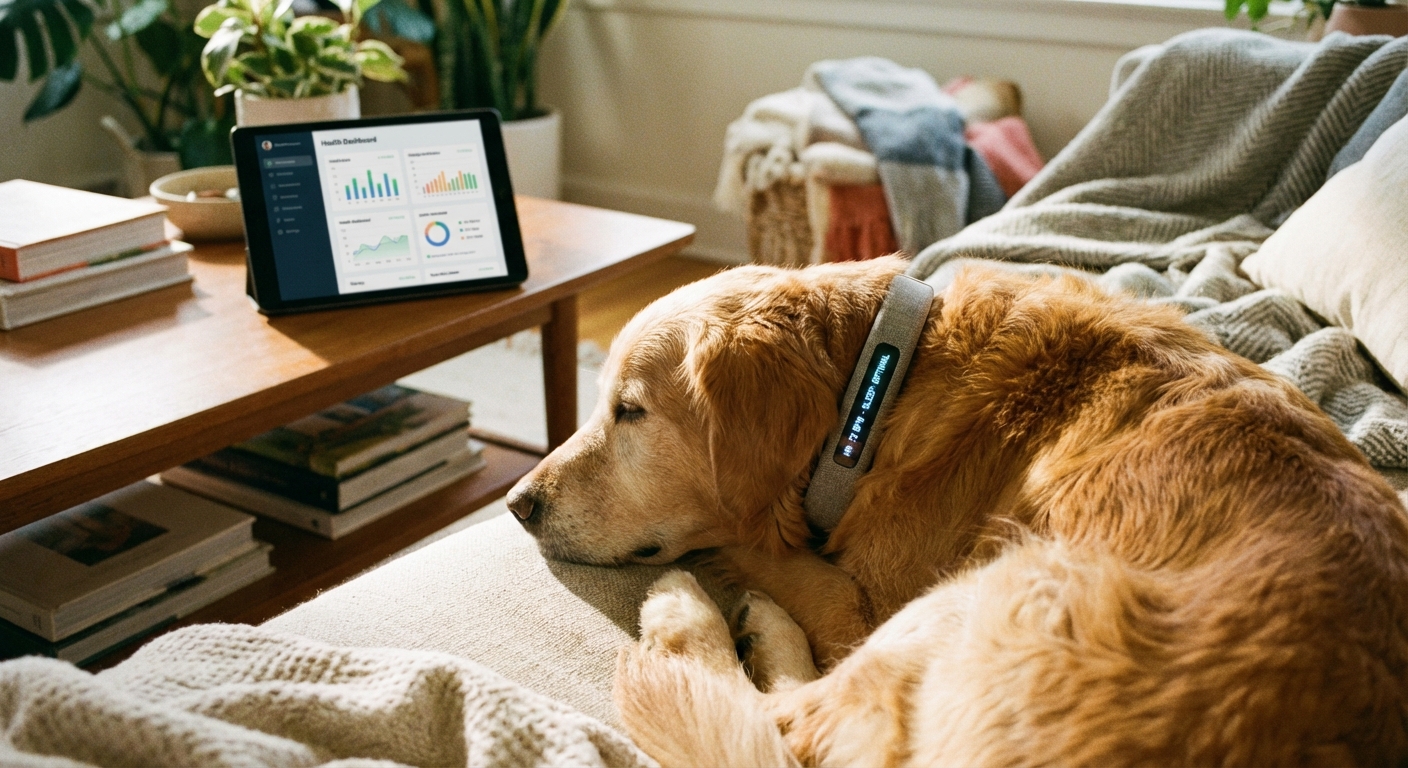
Advanced wearable devices for pets collect data continuously, analyzing parameters such as heart rate, respiratory patterns, and movement. These wearables are often equipped with AI algorithms that can decode this data to predict potential health issues, allowing for timely interventions and preventive care.
Benefits of Early Detection
- Timely Treatment: By identifying health issues in their nascent stages, veterinary interventions can be prompt, reducing severe health outcomes.
- Cost Efficiency: Preventive care often leads to reduced veterinary bills by avoiding expensive treatments for advanced diseases.
- Improved Quality of Life: Ensuring optimal health for senior pets enhances their quality of life, providing them with longer, happier years.
Real-World Applications of Predictive Monitoring
Case Studies and Success Stories
There are numerous instances where predictive health monitoring has made significant differences in the lives of senior pets. For instance, a senior Labrador retriever showed signs of decreased activity and changes in sleep patterns that went unnoticed by the owner. However, wearable technology detected these shifts, and upon veterinary consultation, early arthritis was diagnosed and treated effectively.
Technologies at the Forefront
Several companies are leading the charge by developing innovative health monitoring solutions for pets. These include advanced collars and embedded sensors that connect to mobile apps, offering real-time health insights for pet owners.
Practical Implementations
Pet owners can integrate these technologies into their daily routines. By syncing data from monitoring devices to smartphones, owners receive instant updates about their pet’s health, enabling them to make informed decisions.
Challenges and Considerations
Privacy and Ethical Concerns
As with any data-driven technology, privacy concerns arise. Owners must be aware of how data is stored and used, ensuring compliance with privacy regulations and ethical considerations.
Adapting to New Technology
For some pet owners, embracing new technology can be daunting. Education and support from veterinary professionals can ease this transition, emphasizing the long-term benefits of predictive health monitoring.
Overcoming Technical Hurdles
The functionality of wearable devices depends on accurate data interpretation. Continuous improvement in AI algorithms is vital to enhance the reliability of predictions, making them a trustworthy resource for pet health management.
Future Outlook
Innovation in AI and Wearables
The future of predictive health monitoring for pets looks promising, with ongoing advancements in AI and wearable technologies. As these tools become more accessible and affordable, they are set to become standard in pet care practices, providing unprecedented insights into pet health and behavior.
Expert Opinions
“The integration of AI in pet health monitoring heralds a new era of veterinary care, where prevention takes precedence, and pets enjoy longer, healthier lives.” – Dr. Emily Carter, Veterinary Technologist
Veterinary experts agree that as these technologies evolve, they will play a crucial role in enhancing the bond between pets and their owners, promoting preventive care and strengthening the pet-owner relationship.
Conclusion
Predictive health monitoring for senior pets represents a paradigm shift in pet care, allowing pet owners to move from being reactive to proactive. This change empowers them to manage their pet’s health more effectively, ensuring early detection of potential health issues and timely interventions. As AI-driven technologies advance, pets will enjoy a better quality of life, benefiting from personalized and preventive care.
By embracing these innovative solutions, pet owners can ensure their senior pets remain healthy and cherished family members. With continuous technological enhancements, the future of pet health monitoring promises to be both transformative and supportive, aligning with the needs of modern pet owners who prioritize preventive well-being for their furry companions.